Innovations in Lithium Extraction, Refinement, and Recycling
Advances in Lithium Processing with Economic Viability, Environmental Compliance, and Supply-Chain Resilience
7 May 2026 ALL TIMES AWST
This conference will focus on the extraction, refinement, and processing of lithium from various sources to meet the growing global demand for energy-storage and electric-mobility applications. Sessions will cover advances in primary extraction from such sources as hard rock, brine and DLE, innovative hydrometallurgical and pyrometallurgical processes, recycling and recovery of lithium from end-of-life batteries, and sustainability challenges in the lithium value chain.
Thursday, 7 May
Registration Open
Arrival Tea and Coffee in the Exhibit Hall with Poster Viewing
Organizer's Remarks
LITHIUM PROCESSING METHODS
STUDENT VOLUNTEER PRESENTATION: Investigation into the Impact of Impurities (Al and Mn) in the Production of Lithium Hydroxide from Lithium Sulphate Liquor Using Electrodialysis
Lithium recovery techniques include, but are not limited to, chemical precipitation, direct lithium extraction and membrane processes. Chemicals used in the precipitation route form by-products, such as Na2SO4Â and CaSO4, from the Na2CO3Â and CaCO3Â precipitants, respectively. This poses an environmental challenge requiring an alternative recovery route for sustainable LiOH production. Electrodialysis is an electromembrane process that can be effectively utilised to produce LiOH with minimal or no chemical use. This research focuses on understanding the effects of impurities on the electrodialysis process, particularly aluminium and manganese.
Chairperson's Remarks
Tobias Elwert, PhD, CTO, cylib GmbH , CTO , cylib GmbH
Lithium PurificationÂ
The production of battery-grade lithium carbonate (Li2CO3) requires the removal of insoluble impurities. This is achieved by converting Li2CO3 into water-soluble lithium bicarbonate via CO2 contact in a bicarbonate reactor. Scaling this process from lab to industrial scale presents challenges due to complex three-phase interactions. This presentation showcases a case study with original products, detailing pilot tests in a scalable stirred reactor system, scale-up methodology, and continuous reactor modeling. Key parameters—pressure, temperature, stirring, power input, and gas injection—were investigated. The study validated process conditions and developed a commercial reactor design, demonstrating a reliable scale-up approach.
Alkaline Lithium Extraction Process: A Cleaner, Selective Alternative for Direct Alpha Spodumene Processing
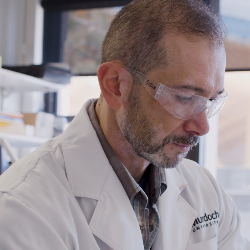
This novel technology, developed by the Extractive Metallurgy Hub at Murdoch University, introduces an alkaline lithium extraction process for direct a-spodumene processing, offering a cleaner and more selective alternative to conventional methods. By utilizing alkaline reagents, the process enhances lithium yield and minimizes environmental impact, eliminating the need for high-temperature phase transformation. The results indicate improved lithium recovery rates and reduced production of waste by-products. This innovative approach streamlines lithium extraction, delivering greater efficiency and sustainability for battery-grade lithium production, while supporting the increasing demand for electric vehicles and renewable energy storage solutions.
Sponsored by: Beyond Brine: Traditional and Emerging Applications of Ion Exchange DLE


Ion exchange (IX) based DLE enables efficient extraction of lithium from a wide range of brines, across lithium concentration ranges and variable feed chemistries. This presentation will review the technical basis of Lilac's IX technology and its traditional applications in salar, lake, and oilfield brines, and discuss how emerging applications in hydrometallurgical streams — hard-rock, clay, and battery recycling — offer a path to improving yields outside traditional DLE applications.
Morning Tea in the Exhibit Hall with Poster Viewing
Simulating Dense Media Separation (DMS) Benefits on Overall Lithium Recovery

The beneficiation of lithium typically involves Dense Media Separation (DMS) to pre-concentrate lithium-bearing minerals like spodumene. DMS uses the specific gravity differences between minerals to achieve separation. This method is particularly effective in processing coarse-grained ores. The objective of this work is to validate the behavior of the proposed pre-concentration flowchart using METSIM simulations, as well as evaluate different scenarios altering DMS to optimise lithium recovery.
Preferential Recovery Method for Lithium from NCM and LFP Black Powder via Pressure Oxidative Leaching

This study presents a preferential method for recovering lithium from NCM (LiNiMnCoO2) and LFP (LiFePO4) black powders (BPs) using pressure oxidative leaching in autoclave systems. This leaching process demonstrated exceptional selectivity for lithium extraction, simultaneously precipitating transition metals as reusable hydroxides and oxides.
Evaluation of Lithium-Carbonate Synthesis Process in Specific Conditions

This work investigates lithium carbonate precipitation from sodium-rich lithium sulfate liquors by controlling the feed rate of a sodium carbonate slurry and systematically evaluating purity as a function of the number of washing cycles. The influence of slurry feed rate on product purity is elucidated, and the feasibility of producing battery-grade Li2CO3 under impurity-rich recycling conditions is assessed.
Sponsored by: From Rock, Clay, or Brine: A Cross-Resource Comparison of LHM Production Pathways


Lithium hydroxide monohydrate (LHM) has become the preferred lithium chemical for high energy density cathode materials used for electric vehicles and energy storage. The production of battery-grade LHM product from various resources requires alignment between many factors including resource grade, geography, and technology processes to create an economically viable project. This work provides a focused technoeconomic comparison of various LHM production pathways from resources including hard-rock spodumene, sedimentary clays and brine including geographical considerations. The analysis highlights where each pathway is most competitive and which resource-process combinations are best positioned to support long-term lithium production demand.
Networking Luncheon
LITHIUM PROCESSING METHODS
Chairperson's Remarks
Alex Holtzapple, President, Metsim International, LLC , President , Metsim Intl LLC
Engineering Lithium-Carbonate Plants for Purity, Sustainability, and Value

This presentation will discuss the production of high-purity battery-grade lithium carbonate product from lithium brine sources.
Sustainable Biotechnology platform for Mineral Recovery

The global shift toward clean energy and advanced manufacturing is driving an urgent need for more sustainable, selective, and cost-effective mineral processing methods. We present a biotechnology platform that harnesses peptides and proteins, to target minerals with exceptional specificity and affinity. These bioinspired molecules can selectively separate valuable metals and minerals, including precious metals and rare earth elements (REEs. By integrating these peptides into engineered, recyclable protein systems, the platform enables repeated separation cycles without loss of performance. Scalable recombinant production and reduced purification requirements enhance economic viability, while the water-based process eliminates the need for harmful solvents. This approach offers broad applicability—from primary mineral separation to urban mining applications such as recycling photovoltaic panels, magnets, and batteries—delivering significant environmental, economic, and operational benefits. This work demonstrates the transformative potential of biomolecule-based separation strategies to redefine the future of mineral processing and resource recovery.
Why Lithium Refineries Struggle in Australia and How S-DLE Could Potentially Change the Game

Australia is the world’s leading producer of hard-rock lithium, yet domestic refining has struggled to achieve consistent commercial success. Conventional sulphuric acid roasting and leaching routes are capital intensive, energy demanding, and highly sensitive to impurity management, limiting competitiveness and increasing operational risk.This presentation explores Spodumene Direct Lithium Extraction (S-DLE) as an alternative processing pathway for hard-rock resources. By selectively targeting lithium rather than digesting the bulk mineral matrix, S-DLE offers the potential to simplify flowsheets, reduce chemical intensity, and improve impurity control.As a locally developed technology platform, S-DLE may provide a more practical and scalable pathway for establishing sustainable lithium refining capability in Australia.
LITHIUM RECYCLING
Perspectives on Lithium Iron Phosphate (LFP) Battery Recycling: Will Europe Follow China?

Lithium iron phosphate cathode active chemistries are, besides layered oxide chemistries, the most important group of cathode active materials for lithium-ion batteries. The presentation discusses the differences between the Chinese and the European market and its implications on recycling. As the Chinese market is much more mature, a special emphasis is laid on the question to what extent learnings from China can be transferred to Europe.
Afternoon Tea in the Exhibit Hall with Poster Viewing
Developments in Direct Recycling, Deactivation, and Rejuvenation Technologies
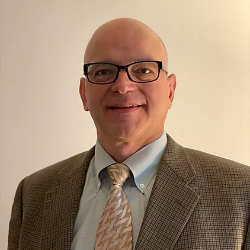
Dr. Sloop will discuss a three-dimensional approach for battery materials reclamation: Deactivation, Direct Recycling, and Design. The service of lithium-ion batteries and recycling of their materials is at the forefront of the reestablishment of the North American supply chain of critical materials refining and manufacturing. The industrialisation of this requires innovative processes and design to realize cost and safety demands for US dominance in the next generation of lithium-ion manufacturing.
ADVANCES IN DIRECT LITHIUM EXTRACTION
Direct Lithium Extraction: Tailored Technologies for Higher Yield and Purity
Santhosh Ramalingham, TS&D Manager, Dupont , TS&D Manager , EI DuPont de Nemours & Co
As global demand for high purity lithium continues to accelerate, producers need smarter, more efficient ways to unlock greater and faster yield from diverse brine sources. This presentation highlights how DuPont’s sorbent, ion exchange, nanofiltration, and reverse osmosis technologies work together to streamline Direct Lithium Extraction, enabling higher sorbent productivity, reliable high purity output through divalent ion removal, and ultra high lithium concentration via efficient dewatering. Attendees will see how optimized process sequencing and data backed design insights can reduce processing complexity, improve product quality, and accelerate commercialization timelines. The result: a simpler, more reliable path to high value lithium production.
Close of the Lithium Track
For more details on the conference, please contact:
Craig Wohlers
General Manager
Cambridge EnerTech
Phone: (+1) 617-513-7576
Email: cwohlers@cambridgeenertech.com
For sponsorship information, please contact:
Sherry Johnson
Lead Business Development Manager
Cambridge EnerTech
Phone: (+1) 781-972-1359
Email: sjohnson@cambridgeenertech.com


#ALTA26