Gold and Precious Metals
Innovations in Ore Processing, Recovery, and Refining
7 May 2026 ALL TIMES AWST
With global demand for gold and precious metals continuing to rise, this conference will address the trends, challenges, and opportunities shaping the next generation of processing technologies. Sessions will examine advances in ore processing and refining, refractory ore treatment, and the latest developments in leaching, reagents, and carbon-based recovery methods. Presentations will also highlight improvements in plant design, performance optimization, automation, and AI, as well as advances in refining and impurity control. The program will feature case studies and technical insights from across the value chain, showcasing how leading projects are driving efficiency and performance. Don’t miss your opportunity to connect with experts advancing the science and practice of gold and precious-metals processing.
Thursday, 7 May
Registration Open
Arrival Tea and Coffee in the Exhibit Hall with Poster Viewing (Sponsorship Opportunity Available)
Organiser's Remarks
PRICING AND PRODUCTION EXPANSION
Chairperson's Remarks
Value through Disruption: The Case for Gold & Silver

This session explores recent global instability driving abnormal gold and silver demand through ETFs and national reserve rebuilding, especially in MENA and China. With potential U.S. dollar replacement and prices doubling year-on-year, opportunities arise via asset reshuffling, new entrants, and tech-driven value creation. Yet, high prices risk poor cost control and overpriced M&As. Smart management remains key—cycles always return, even in gold’s seemingly unstoppable boom.
LEACH METHODS AND ADVANCEMENTS
The Seabridge Process Gold Recovery from Pyrite Concentrates Using Thiosulfate Leaching
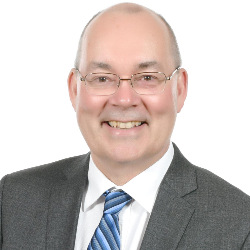
The Seabridge Process for Gold Recovery from Pyrite Concentrates uses thiosulfate leaching followed by gold precipitation from solution and thiosulfate recycle. Gold may be precipitated from the leach solution using a range of precipitants including copper concentrate, ferrous sulfate, and sodium hydrosulfide. The latest results and flowsheet developments will be presented and discussed.
CSIRO Sustainable Gold Cyanidation Technology
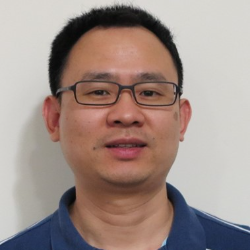
CSIRO has developed a patented technology that improves the sustainability and economics of the gold cyanidation process through enhanced gold recovery and improved cyanide recycling. The process chemistry and economics have been validated through a month-long continuous bench scale mini-piloting. This innovative and patented technology is now ready for pilot scale demonstration in the field (TRL 4).
Morning Tea in the Exhibit Hall with Poster Viewing (Sponsorship Opportunity Available)
Evaluating a Novel Roast-Leach Flowsheet for PGM Concentrates Using Alkaline Glycine

The refractory nature of PGM concentrates necessitates aggressive oxidative chlorination or smelting, limiting the applicability of benign lixiviants like glycine, despite glycine's favourable alkaline selectivity and compatibility with Pd/Pt coordination chemistry. This presentation evaluates a novel roast-leach process flowsheet designed to leverage the selectivity of glycine leaching for PGM recovery, enabled by targeted thermal pretreatment. By benchmarking extraction performance against conventional acid leaching, this work assesses the technical viability of a low-toxicity, atmospheric hydrometallurgical pathway.
25 Years On: An Update on the Platsol Process

The Platsol process, developed in the 1990s at Lakefield Research (now SGS) by International PGM Technologies Ltd., was originally designed to treat Polymet Mining’s NorthMet bulk copper-nickel-PGM concentrate. Platso is a high-temperature, pressure oxidative leach technology that enables efficient extraction of both base and precious metals from sulphide concentrate. While its fundamentals have been well documented in prior publications, this presentation provides an updated perspective on the process, supported by results from recent test programs. These findings confirm that Platsol remains a technically viable and robust option for treating PGM-bearing sulphide concentrates, offering potential advantages for future hydrometallurgical applications.
How Thiosulfate is a Commercial Alternative to Cyanide for Gold Processing
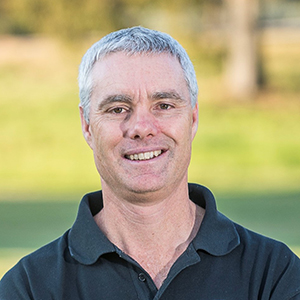
Several operational advancements to the thiosulfate technology invented by CSIRO, being commercialised by Clean Mining, have been achieved in recent years. These include the ability to treat a broader range of materials, such as gravity and flotation/sulfide concentrates, and replacing the use of mercury by artisanal and small gold miners. The commercial case for thiosulfate becomes evident when the economic assessment is made for the life of mine.
Session Break
Networking Luncheon (Sponsorship Opportunity Available)
PROCESS OPTIMISATION AND TECHNOLOGY
Chairperson's Remarks
David Dreisinger, PhD, Professor, Materials Engineering, University of British Columbia , Prof , Materials Engineering , University of British Columbia
Enhancing Gold Leaching Efficiency and Safety through Advanced Sensor Technology
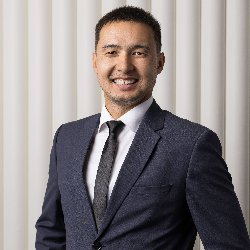
Gold leaching operations face critical challenges in maintaining optimal pH and dissolved oxygen levels to maximise recovery while ensuring safety in cyanide environments. This presentation will showcase how advanced sensor technologies—Memosens CPS47D for pH and COS81D for dissolved oxygen—have transformed process control at various gold mines across the world, including in Western Australia, reducing maintenance, improving reliability, and minimizing operator exposure to hazardous conditions.
Between a Roll and a Hard Place: Why Rejecting HPGR Recycle is the Smarter Path

HPGR circuits challenge metallurgists: although energy-efficient, high circulating loads become bottlenecks, forcing fresh feed reductions of over 50%. Traditionally treated as unfinished material, recycle streams were analysed using causal loop modelling and a year of high-frequency data. Results show the recycle stream has a higher specific energy, suggesting harder, unmineralised waste. Rejecting or sorting this fraction can unlock higher throughput and gold production, while reducing wasted comminution energy.
A Review of Aachen High Shear Reactors in Gold Tailings Retreatment Processes
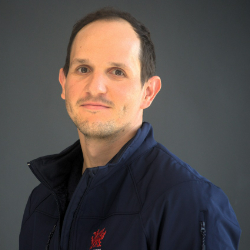
The Aachen High Shear Reactor, a highly efficient oxygen mass transfer and shear device, has been widely implemented in the gold industry and is gaining substantial traction in tailings reprocessing. Maelgwyn South Africa currently operates Aachen reactors across four tailings retreatment plants in South Africa. The reactors maintain optimal dissolved oxygen (DO) levels, which are critical for effective gold leaching, and create a high shear environment that helps clean particle surfaces, thereby enhancing leach kinetics. This presentation provides an overview of the application of Aachen reactors in tailings retreatment and highlights the operational benefits observed in the South African context.
Afternoon Tea in the Exhibit Hall with Poster Viewing (Sponsorship Opportunity Available)
Optimisation Opportunities in Gold Processing Plants Using PhotonAssay

PhotonAssay provides rapid, non-destructive gold analysis with significantly faster turnaround than fire assay. Near real-time results enable improved process control opportunities. Additionally, the larger sample mass used in PhotonAssay reduces sampling error, delivering more representative data for metallurgical accounting and reconciliation. These capabilities support enhanced operational efficiency and decision-making in gold processing plants.
The Aachen High Shear Reactor: Redefining Oxygen Transfer in Gold Processing

Oxygen is a key reagent in gold cyanidation, influencing leaching kinetics and overall recovery. Conventional sparging systems often deliver low mass transfer efficiency (kLa), limiting oxygen utilisation and gold dissolution, particularly in ores containing oxygen-consuming minerals. The Aachen High Shear Reactor enhances gas–liquid dispersion and oxygen transfer, redefining aeration efficiency in gold leaching circuits.
- Water and slurry tests demonstrated comparable oxygen transfer efficiencies
- Benchmarking confirmed nearly double the efficiency of a 0.5 µm frit sparger (51%)
- Achieved 94% oxygen transfer efficiency in a 2,100 L leaching tank designed as a direct scale-down of an industrial leaching circuit
Close of the Gold and Precious Metals Track
For more details on the conference, please contact:
Sarah Stockwell, PhD
Conference Producer
Cambridge EnerTech
Phone: (+1) 781-247-1816
Email: sstockwell@cambridgeenertech.com
For sponsorship information, please contact:
Sherry Johnson
Lead Business Development Manager
Cambridge EnerTech
Phone: (+1) 781-972-1359
Email: sjohnson@cambridgeenertech.com


#ALTA26