29th International ALTA Conference
Critical Battery Minerals
Advances in Mining & Metallurgical Processing Methods for Extraction, Recovery & Recycling of Critical Minerals
21 - 22 May 2025 ALL TIMES AWST
Sponsored by
With the vast increase in demand for Critical Battery Minerals driven by the applications in global vehicle electrification, this conference will address the trends, challenges, and opportunities that will drive future growth and how the key organizations are achieving success. An examination of the development, selection, and performance drivers of end-user demand, with a focus on major new advancements and projects in the pipeline, will be presented. This conference will cover the latest in mining and processing from multiple angles and perspectives. Don’t miss your opportunity to network with the major players within the global minerals supply chain.
Wednesday, 21 May
Registration Open
Arrival Tea and Coffee in the Exhibit Hall with Poster Viewing
Presenter Briefing
Session Block
CRITICAL BATTERY MINERALS MARKET & PRODUCTION
Organiser's Remarks
Student Volunteer of the Day Announcement

Chairperson's Remarks
Tony Parry, PhD, Senior Consultant, Nexus Bonum, Australia , Senior Consultant , Nexus Bonum
Taking the “Critical†out of Critical Battery Materials

In the two years from the 2022 peak, lithium prices have slumped 85%. Over the same period both nickel and cobalt prices have halved and many of the other ‘critical’ battery materials have also saw price volatility. Perceived shortages shifted to over-supply while battery chemistry evolved to become more sustainable and provide better value for consumers. Processing advances have improved the recovery of lithium and opened the floodgate for deposits once not considered to be economic. A global push for sustainability and environmental best practice is driving recycling and changing supply chain dynamics. This will improve access to material inputs, provide greater raw material availability and improve supply chain security thus reducing the criticality of battery materials.
The West Needs a Robust, Non-Chinese, Competitive Lithium-ion Battery Value Chain—Can it Be Done?

China leads the lithium-ion supply chain by 10-15 years, the barriers to entry are high, can the West catch up and if so, how? The risks of not building an alternative supply chain are high. The electrification era is going to be global, so we need well-balanced global solutions.
Lithium for Next-Generation Batteries: From Mines to Metals

Most lithium indexes and reports focus entirely on lithium carbonate and lithium hydroxide production; however, to power the next generation of cells, lithium metal is required as the anode material. To optimise lithium metal for pricing and performance a different process flow is required from the mines to metal.
FEATURED PRESENTATION:
Rio Tinto Lithium’s Scalable Printable Lithium Technology, Enabling Advanced Lithium-ion and Solid-State Batteries

Next generation battery technologies critically depend on giga factory scale for production of battery components, such as thin lithium or prelithiated silicon-containing anodes. The core of Rio Tinto Lithium’s innovative and sustainable solution is LIOVIX, proprietary printable lithium technology. The ability to print lithium metal on a variety of substrates, opens the pathway to manufacture electrodes at the various ranges of anode’s width and thickness and allows cell manufacturers to more easily change cell design and format to meet application requirements. Moreover, LIOVIX-based electrode is a composite lithium anode that offers improved cell performance, such as longer cycling life.
KEYNOTE PRESENTATION:
Lithium Future: Opportunities & Challenges

An industry that experiences exponential growth and attention, from a very small (and low profile) base, faces many challenges in building its supply chain. The Lithium Battery value chain is a new and evolving sector, mainly in the last decade, and rapid technological innovations brings its challenges at every step of the supply chain, from resources to processing to refining to recycling to end markets, etc. This presentation discusses the various challenges and the opportunities this presents if the market is going to reach its full potential.
Morning Tea in the Exhibit Hall with Poster Viewing (Sponsorship Opportunity Available)
Session Block
RARE EARTH AND OTHER CRITICAL MINERAL PROCESSING
Sustainable Rare Earth Recovery: Insights from the Meteoric Caldeira Rare Earth Project Pilot Studies

Meteoric Resources has developed and piloted a flowsheet for recovering rare earths from the Caldeira ionic clay-hosted deposit in Minas Gerais, Brazil. This integrated process minimises CAPEX and OPEX while prioritising the highest standards of environmental stewardship.
Continuing Developments at the Boland ISR Rare Earth Project: The Vision for Low Cost, Low Impact, Domestic Rare Earth Production

Cobra Resources are progressing the ISR amenability story of the Boland Rare Earth Project on the Eyre Peninsula of South Australia. Rare earth recoveries, acid consumption, and permeabilities have been assessed in bench scale tests at ANSTO, and continue to demonstrate ISR amenability in the Narlaby Paeleochannel for rare earths.
Process Design Addressing Challenges in Recovery of Rare Earths from the Songwe Hill Deposit
This presentation will outline process options evaluated for Mkango Resources' Songwe Hill rare earth deposit which contains the rare earth fluorocarbonate minerals, synchysite (Ca(Ce,La,Nd)(CO3)2F) and parisite (Ca(Ce,La,Nd)2(CO3)3F2), as well as fluorapatite Ca5(PO4)3F. The process development for the flotation concentrate was targeted at the particular mineralogy of the deposit and a relatively simple flowsheet was developed that elegantly addressed challenges relating to the simultaneous presence of phosphate, fluoride and calcium.
Sponsored by: Optimizing the Economics of Rare Earth Projects: An Engineer’s Guide to Comprehensive Economic Analysis and Project Value Optimization Strategies


This article presents a comprehensive economic analysis and strategies for optimizing project value in mixed REE projects. The article focuses on optimizing both upstream and downstream process designs, which play a critical role in enhancing overall recovery rates and reducing capital and operational costs, thereby significantly impacting project economics.
Furthermore, the article explores strategies for developing a test work program that has the greatest impact on project economics, underscoring the importance of an adequately scheduled and funded, but adaptive and agile, test work campaign to maximize project value during the study phase.
Lastly, the article highlights the significance of the ramp-up period in balancing cash flow, thereby ensuring both project economics and resource sustainability.
Networking Luncheon (Sponsorship Opportunity Available)
Session Block
RARE EARTH AND OTHER CRITICAL MINERAL PROCESSING
Chairperson's Remarks
Gavin Beer, General Manager, Met-Chem Consulting , Consultant , Process & Metallurgy , Met-Chem Consulting
Mineral Characterisation of QEM's Julia Creek Oil and Vanadium Deposits

QEM Ltd is undertaking a pre-feasibility study for the development of the Julia Creek vanadium and oil shale project in Queensland. The deposit contains kerogen which can be extracted as a hydrocarbon resource, and vanadium which is hosted in the clay and oxide phases, primarily in montmorillonite. This work constitutes the mineral characterisation with a view to determining the most viable processing routes for oil and vanadium recovery.
McNulty Ramp-Up Curves of Critical Mineral Projects
Many of the McNulty curves presented to date have been based on traditional commodities. Industry electrification, climate change technologies, as well as the current trend to develop domestic supply chains for non-traditional or critical commodities (such as rare earths, graphite, lithium, nickel, cobalt, gallium, germanium, and antimony) have led to new critical mineral projects being developed. While traditional commodity projects can bench mark against existing projects to assist in derisking and generating capital and operating cost estimates, this is more difficult for critical mineral projects. Without bench marking, additional engineering studies supported by pilot and/or demonstration plant operations may be required. This paper will present McNulty Ramp-up Curves of recent critical mineral projects using production data out of the public domain, and where possible provide comment on the extent of additional engineering and pilot studies carried out to derisk these projects.
LITHIUM PROCESSING
From Alpha to Beta: Deciphering the Reaction Kinetics and Mechanisms of Spodumene Calcination—Review of Recent Evidence

Recent studies reveal the intricate mechanisms in transforming a-spodumene to ß-spodumene during calcination, a critical step for lithium extraction. The reaction involves complex reconstructive transformations with high activation energies. Existing kinetic models show significant discrepancies and limitations. This presentation reviews recent evidence to decipher these reaction kinetics and mechanisms focusing on: challenges in achieving complete a-to-ß transformation in industrial settings, optimising calcination temperature and duration for efficient lithium recovery, impact of particle size on reaction kinetics, and process efficiency, Comparative analysis of kinetic models and their industrial relevance, sustainable alternatives to traditional high-energy calcination methods.
Afternoon Tea in the Exhibit Hall with Poster Viewing (Sponsorship Opportunity Available)
Session Block
A Review of the Application and Potential for Ore Sorting to Upgrade Lithium Ores

We are seeing growing interest in the use of ore sorting to achieve early-stage waste rejection and pre-concentration of lithium ores. In this presentation we discuss the rationale and potential benefits to be derived from introducing ore-sorter upgrade to lithium ores as well as the types of ore-sorting sensors finding application in this space, and sampling and test work programs required to assess viability—and finally—the current uptake in the Australian context.
Latest Developments in Direct Lithium Extraction (DLE)

Transforming lithium recovery through advancements in Direct Lithium Extraction (DLE) technologies. Exploring cutting-edge methods, including membranes, adsorbents, and ion exchange systems in DLE technologies. Reducing material usage, simplifying processes, and enhancing selectivity by using DLE technologies. Supporting a low-carbon economy by minimising environmental impact with innovative DLE approaches.
The Production of High-Purity Battery-Grade Lithium Carbonate Product from Lithium Brine Sources

This presentation will discuss the production of high-purity battery-grade lithium carbonate product from lithium brine sources.
Networking Reception in the Exhibit Hall with Poster Viewing Sponsored by JordProxa

Close of Day
Thursday, 22 May
Registration Open
Arrival Tea and Coffee in the Exhibit Hall with Poster Viewing
Presenter Briefing
Session Block
LITHIUM PROCESSING
Organiser's Remarks
Craig Wohlers, General Manager, Cambridge EnerTech , GM , Cambridge EnerTech
Student Volunteer of the Day Announcement

Chairperson's Remarks
Dirk Steinhilber, PhD, Application Technology Manager, LANXESS Deutschland GmbH , Application Technology Manager , LANXESS Deutschland GmbH
Lewatit Ion Exchange Resins for Lithium Applications: Removal of New Emerging Contaminants Aluminium, Silica, and Boron
The growing demand for battery-grade lithium requires efficient purification of lithium concentrates. Selective ion exchange resins are used to remove alkaline earth metals, boron, aluminium, and fluoride. Remarkably, we found that Lewatit chelating resin can be used in the H form for refining of LiHCO3 concentrates, without conversion with NaOH. Interestingly, when MonoPlus (630 µm – 650 µm) type resins are replaced by MDS (390 µm - 420 µm) resins, a significant increase in operating capacity was achieved. Thus, less regeneration steps are required, which allows savings on regeneration chemicals and longer resin lifetime Additionally, ultrapure lithium concentrates achieved.
Bulk Lithium Grade Measurement with Low Field Magnetic Resonance for Bulk Sorting and Monitoring
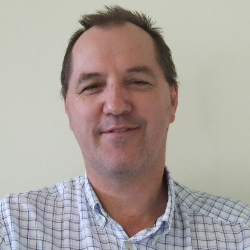
In some cases, hard rock Lithium deposits are not amenable to rock-by-rock sorting or the required throughput is too high to efficiently sort the entire production stream. This talk discusses a bulk measurement technique that could be used for sorting these streams, while discussing the potential benefits and drawbacks of bulk sorting.
Novel Alkaline Leaching Processes for Petalite and Other Lithium Minerals
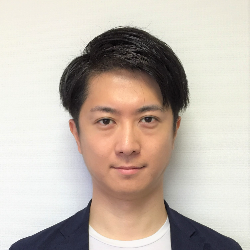
Reducing environmental impact while maintaining cost competitiveness is crucial for operators in the production of battery-grade lithium, both now and in the future. While spodumene is well-known as the primary source of lithium from hard rocks, the increasing demand for lithium has highlighted the importance of other lithium-bearing minerals. This paper presents the advancements in Metso’s alkaline leaching technologies for various lithium minerals, with a particular focus on petalite processing.
Continuous Ion Exchange in Lithium Processing: Direct Lithium Extraction and Refinery

This presentation will cover direct lithium extraction, lithium refinery, absorbents and ion exchange materials. In additiona equipment options and benefits of continuous counter-current approach: moving bed will be discussed along with resin-in-solution, U-shaped column and examples of direct lithium extraction from different sources, and hardness removal from the lithium-rich stream.
Sponsored by: Putting the Spotlight on Lithium Carbonate Crystallization


Lithium salts are produced from sources ranging from spodumene , brines, clays and a variety of other unconventional sources. Where the final lithium product is a high-purity lithium carbonate (suitable for battery manufacturing), the carbonation process is an essential step. While the carbonation of lithium is often viewed simplistically as a precipitation reaction, there is an opportunity to shift this paradigm to unlock the hidden potential behind deliberate (controlled) crystallization of lithium carbonate. Lithium carbonate crystallization performed with established growth-type crystallizer technology delivers a simple and robust process for not only the carbonation step itself but also provides synergistic implications for the rest of the production process.
Morning Tea in the Exhibit Hall with Poster Viewing (Sponsorship Opportunity Available)
Session Block
Lithium: How About That Price Cycle?
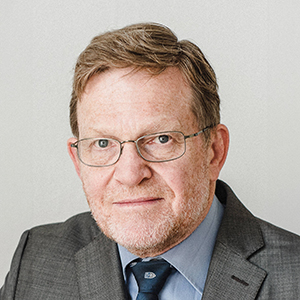
This presentation examines the impact of the recent extreme volatility in the price of lithium carbonate on the economics of the extraction of lithium from clay and from spodumene. A previous study examined the chemistry of each route and calculated reagent and utility consumptions for the two. This study uses those consumption numbers, published capital costs and historical commodity prices. It explores the impact of actual historical reagent costs and price of lithium carbonate, for various project timelines. It shows the impact of the substantial drop in the price of lithium carbonate between 2020 and 2021 and proposes a “stress test†of project economics to help gauge the impact of such events on the economic performance of projects.
Value Add to LFP: Novel Technologies to Unlock Lower Grade Hard Rock Resources

Livium (ASX:LIT) has been actively developing novel processing technologies across the lithium-ion battery value chain, to increase yield from end-of-life, waste or low grade materials, through our lithium chemical and battery recycling divisions (LieNA and Envirostream) and then value add to LFP cathode active materials using technology developed in our battery materials division (VSPC). This presentation will cover the opportunities to improve yield from low grade hard rock lithium sources and further value add to high quality LFP using novel technologies developed by Livium.
MINE WASTE STREAM AND TAILINGS REPROCESSING
Towards Critical Metal Recovery from Australia’s Mine Waste

This presentation will document finding from new geometallurgical research being undertaken by the University of Queensland across Australia to identify new critical metal mine waste (i.e., tailings, waste rock, slag, metallurgical residues) resources. Sites in Queensland, New South Wales, South Australia, Tasmania, and the Northern Territories have been sampled with new deposits of Co, REE, In and Sb in particular identified.
Networking Luncheon (Sponsorship Opportunity Available)
Session Block
LITHIUM-BATTERY RECYCLING
Chairperson's Remarks
Anita Parbhakar-Fox, PhD, Associate Professor, Sustainable Minerals Institute, The University of Queensland , Associate Professor , Sustainable Minerals Institute , University of Queensland
Battery Recycling: A Key Solution to the Critical Mineral Supply Crisis
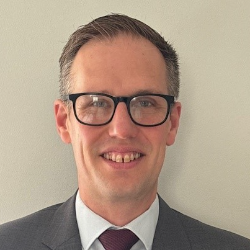
Geopolitical tensions and growing demand from the energy transition are placing significant strain on the global supply of critical minerals. Battery recycling offers a sustainable solution to ease this pressure. However, widespread adoption is hindered by several challenges. This paper analyses the current obstacles facing the battery recycling sector and explores strategies to overcome them, unlocking its full potential for securing the mineral supply chain.
Recycling Spent Lithium Iron Phosphate (LFP) Batteries: Systematic Investigation of Pre-Treatment Schemes and Leaching Agent Efficiency


The increasing use of lithium iron phosphate (LFP) batteries, one of the fastest-growing types of lithium-ion batteries, is anticipated to significantly increase battery waste. This study investigates recycling spent LFP batteries through discharge, pre-treatment, and selective leaching. Discharged batteries underwent pyrolisis and shredding in two different schemes, followed by leaching with various leaching agent. Findings highlight the impact of pre-treatment and leaching agents on lithium recovery, contributing to an optimised recycling process.
The Future of Battery Recycling in South Korea: Government Policies, Industry Efforts, and Technological Breakthroughs

South Korea’s battery recycling industry is rapidly advancing with a focus on efficient resource recovery, eco-friendly technology, and robust end-of-life battery management systems. Supported by government policies, the industry aims to optimise metal recovery, build a circular economy, and comply with environmental standards. As global demand rises, South Korea is positioned to lead the battery recycling market, setting a sustainable model for resource management and environmental responsibility.
Afternoon Tea in the Exhibit Hall with Poster Viewing (Sponsorship Opportunity Available)
Session Block
Panel Moderator:
PANEL DISCUSSION:
Advanced Lithium Processing Methods—Opportunities & Illusions
Adrian Griffin, Principal, Future Technology Trust , Principal , Future Technology Trust
Panelists:
Aleks Nikoloski, PhD, Professor, Centre for Water & Energy & Waste, Murdoch University , Prof , Ctr for Water & Energy & Waste , Murdoch University
Amir Razmjou, PhD, Associate Professor, Edith Cowan University , Assoc Prof , Edith Cowan University
Andrew Napier, General Manager, entX , GM Radium Supply , Radium Sourcing , entX
Close of Conference
Opportunities for Participation:
- To submit a podium presentation, please click here.
- To become a sponsor, click here.
- To present a poster, click here.
For more details on the conference, please contact:
Craig Wohlers
General Manager
Cambridge EnerTech
Phone: (1) 617-513-7576
Email: cwohlers@cambridgeenertech.com
For sponsorship information, please contact:
Sherry Johnson
Lead Business Development Manager
Cambridge EnerTech
Phone: (1) 781-972-1359
Email: sjohnson@cambridgeenertech.com


#ALTA27
25-26 MAY

26-27 MAY